
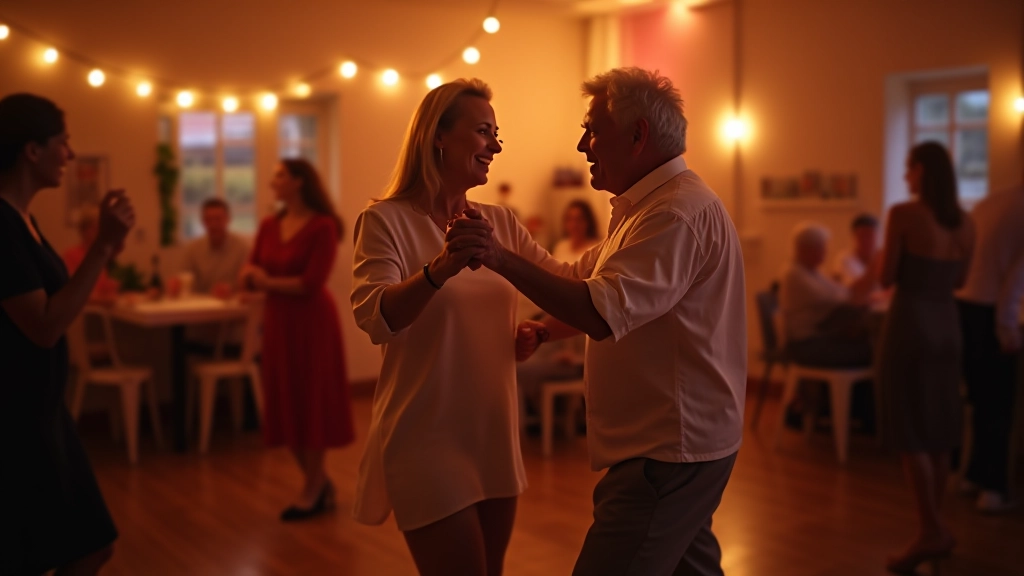
Latin Rhythm Nights in Portimão: Your Guide
Explore Portimão's Latin dance scene. Learn about venues, dance styles, music selection, and what to expect.
What to expect at Nazaré's weekend beach dances, what to wear, and how the social rhythm works. Everything beginners should know before their first visit.


There's something special about dancing where the Atlantic meets the sand. Nazaré's weekend socials aren't about perfect technique or impressing anyone — they're about feeling the music, moving with people who actually get it, and maybe catching a sunset that makes the whole thing feel magical.
If you've been thinking about showing up but weren't sure what to expect, here's what you need to know. We'll walk you through the vibe, the logistics, and honestly, what's going to surprise you in the best way possible.

Nazaré's main beach socials run Friday and Saturday nights from April through September. Friday sessions start at 7 PM near the central lifeguard tower. Saturday's a bit later — usually 8 PM — which gives people time to grab dinner first. The whole thing typically wraps by 10:30 PM, so it's not an all-nighter commitment.
You don't need to book anything ahead. Just show up. Seriously. There's always someone there setting up a small speaker system, and word-of-mouth keeps things running smoothly. During July and August when tourism picks up, the crowds are bigger but the energy stays relaxed.


Forget the idea that you need dance clothes. You don't. Most people show up in whatever they'd wear to a casual evening out — linen pants, shorts, a comfortable shirt. Sandals are totally fine for the first part. Some folks bring a bag to leave shoes with and dance barefoot, which honestly feels better on sand anyway.
The key is comfort and movement. You're not climbing stairs or doing anything that requires support. Avoid anything too restrictive around the shoulders or hips. And yes, bring a light layer — ocean breeze kicks in once the sun drops, especially by September.
The practical stuff:
The first 15 minutes are usually the "are we starting?" phase. A handful of people arrive, set up the speaker, test the music. By 7:30 or so, there's a loose circle forming. No one's formally "teaching" — it's more like everyone's moving to the same rhythm and picking up on each other's energy.
Songs change every 3–5 minutes. Mostly it's merengue, reggaeton, and bachata — styles that work great with a group. Couples sometimes pair off, but honestly, group dancing is the default here. You're not expected to know the steps perfectly. You're expected to smile and keep moving.
Arrival & Setup — People trickle in, speaker gets tested, first few songs get people moving.
Building Energy — More people join, circles form, the vibe gets social. Lots of laughing.
Peak Time — Usually around 8:30–9 PM. Everyone's warmed up, the group feels connected, dancing's at its best.
Wind Down — Last 30 minutes shift to slower songs, people catch breath, conversations happen on the sidelines.
Dancing on sand requires balance and physical endurance that's different from dancing indoors. The uneven surface, changing tide conditions, and variable lighting all matter. If you're managing joint issues, recovering from injury, or haven't danced in a long time, consider starting with one or two songs to gauge how your body responds. There's no shame in taking breaks — most people do. If you have concerns about your physical readiness, check with your doctor first. These socials are meant to be enjoyable, not stressful.
You'll probably feel a little nervous showing up. That's normal. Everyone does the first time. You'll arrive, spot the group, maybe stand at the edge for a song or two. Then someone will smile and wave you into the circle. You'll move a little awkwardly at first — that's also normal. By the third or fourth song, you'll stop thinking about your feet and just feel the rhythm.
You might make a friend. You might just enjoy the music and the sea breeze and the feeling of your body moving freely. You might decide to come back next week, or you might be a one-time visitor. All of that's fine. What matters is you showed up, moved your body with other people, and let yourself have a genuinely good time on a beach in Nazaré.
The ocean's there. The music's there. So is everyone else who decided they wanted to dance on a Friday night. Come as you are.
Explore Portimão's Latin dance scene. Learn about venues, dance styles, music selection, and what to expect.
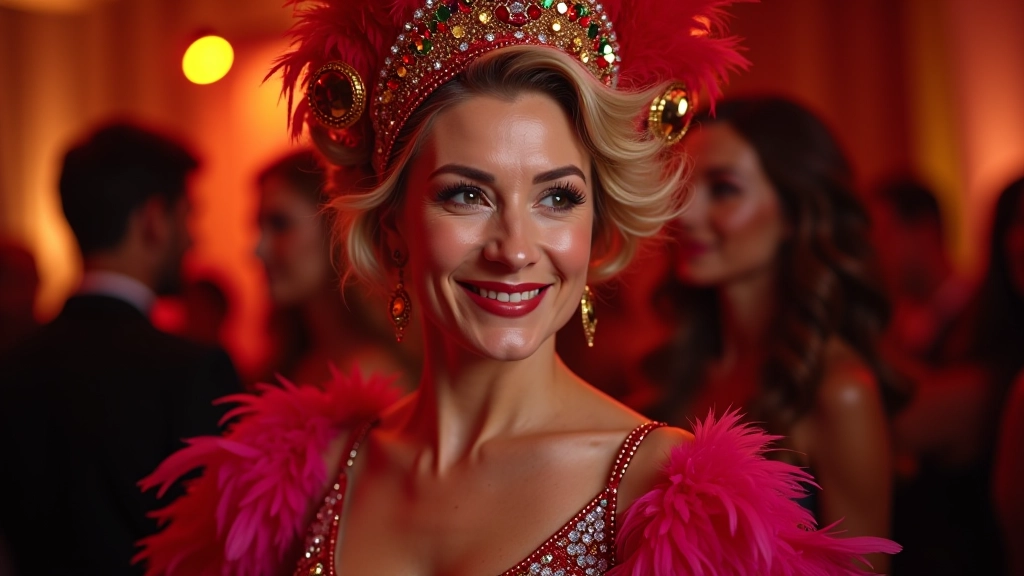
How to plan, dress, and enjoy themed dance evenings. Find inspiration for costumes and party concepts.

How dance becomes friendship. Real stories about meeting people, building connections, and finding belonging.